The Car of the Future: When Software and Design Become Personal


The Car of the Future: When Software and Design Become Personal
The car is no longer just a machine that takes us from one place to another—it’s becoming a digital companion that adapts to our habits, preferences, and lifestyle. As software takes center stage in the automotive industry, the very idea of what a car is—and what it can be—is being redefined. The car of the future isn’t just about horsepower or sleek lines; it’s about experience, data, and individuality.
From Mechanics to Code
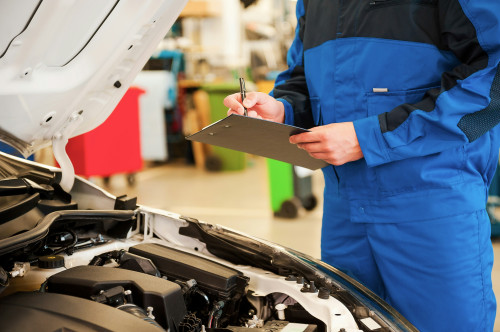
A few decades ago, the heart of a car was purely mechanical: the engine, transmission, and brakes. Today, software connects and controls nearly every system. Modern vehicles contain millions of lines of code, managing everything from engine performance to climate control and driver assistance.
This shift has turned automakers into tech companies. They now compete not only on design and performance but also on user experience, connectivity, and digital services. Tesla may have pioneered the idea of over-the-air updates, but now nearly every major manufacturer—from Ford to GM to Hyundai—is following suit, transforming cars into evolving digital platforms.
Personalization as the New Standard
The next generation of cars will know you—literally. When you step inside, the vehicle will recognize you through facial recognition, your smartphone, or a digital key. It will automatically adjust your seat, mirrors, lighting, and even your favorite playlist. Artificial intelligence will learn your routines, predicting your destinations or preferred cabin temperature at different times of day.
For many Americans, this will feel like a natural extension of a connected lifestyle. Just as your phone and smart home devices adapt to you, your car will become a personalized space—whether you own it, share it, or rent it through a mobility service.
Design That Reflects You
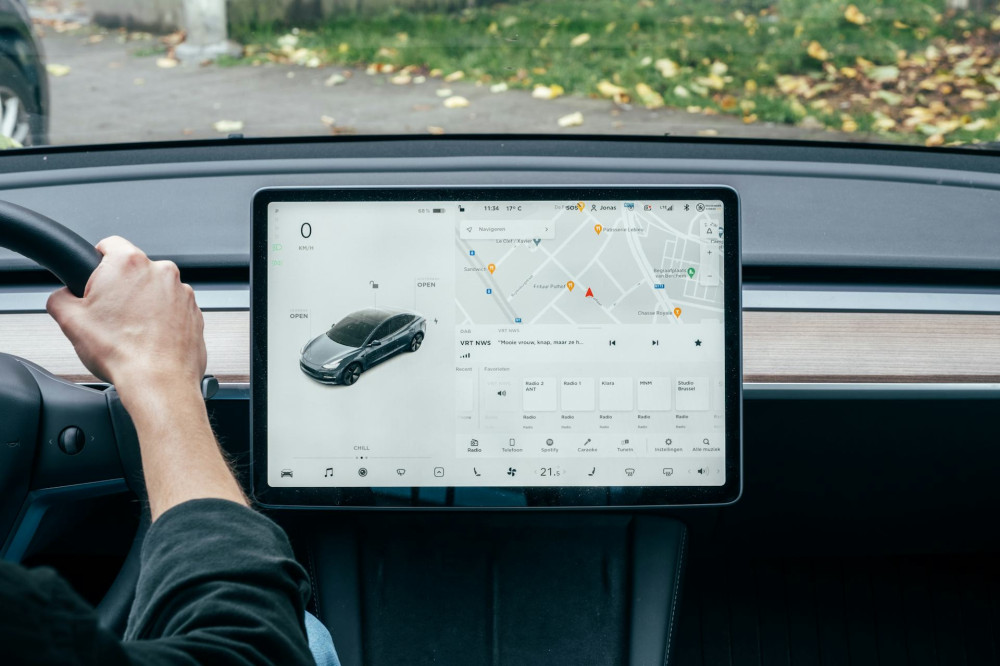
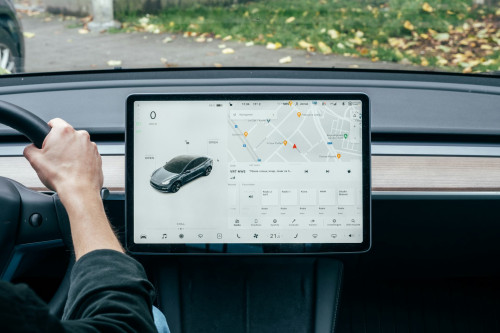
Design is evolving alongside technology. Instead of fixed interiors, future cars will feature modular layouts and digital interfaces that can change with a tap. Physical buttons are giving way to customizable touchscreens, allowing drivers to switch between minimalist, sporty, or family-friendly modes.
Lighting, color, and sound will also play a role in personalization. Some automakers are experimenting with ambient lighting that adjusts to your mood or music, while others are developing exterior panels that can change color. The car becomes an expression of identity—just like fashion or a smartphone.
Læs også:
Software Updates and New Business Models
As cars become digital, ownership models are changing too. Instead of buying a vehicle with a fixed set of features, drivers may soon subscribe to software packages that can be activated or deactivated on demand. Want enhanced range, advanced driver assistance, or premium audio? You might unlock it with a monthly subscription.
This flexibility comes with new questions about ownership and data. Who truly owns the software in your car? What happens when a subscription ends? These are issues that automakers, regulators, and consumers in the U.S. will need to navigate as the industry evolves.
Sustainability and Digital Responsibility
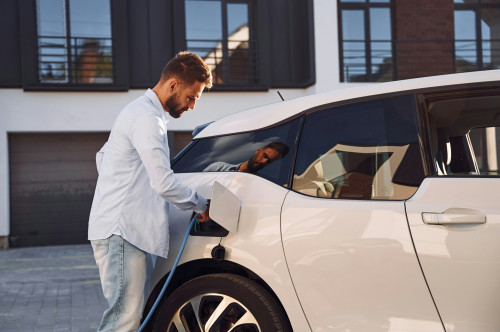
The digital car isn’t just about convenience—it’s also about sustainability. Software can optimize energy use, plan efficient routes, and extend a vehicle’s lifespan through continuous updates. Data collected from connected cars can help improve traffic flow and reduce congestion in American cities.
But with these opportunities come responsibilities. Data privacy, cybersecurity, and transparency will be critical. Drivers must be able to trust that their personal information is protected—and that their car isn’t becoming a rolling surveillance device.
A New Era of Car Culture
The car of the future is not only smarter but more human. It adapts to our lives, our values, and our ways of moving through the world. For some, it will mean greater comfort and freedom; for others, a deeper reliance on technology.
Either way, one thing is clear: we’re entering an era where the car is no longer just a means of transportation—it’s a personalized, digital experience on wheels.
Læs også: