Active Style Without Sportswear – How to Find a Relaxed Balance

Active Style Without Sportswear – How to Find a Relaxed Balance
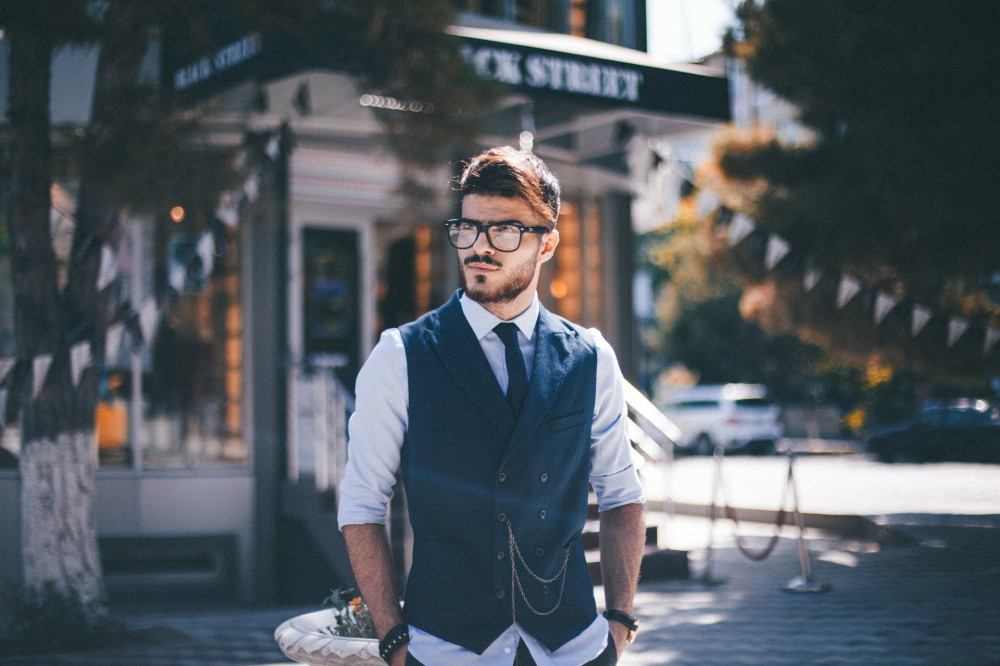
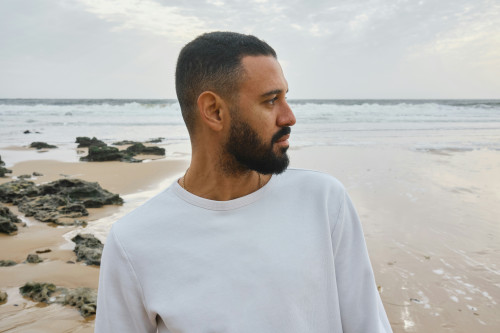
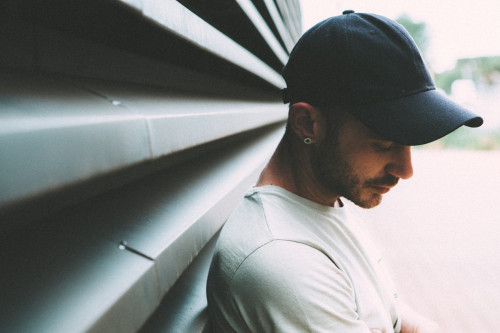
There’s something refreshing about a look that suggests energy and movement—without making it seem like you’re heading straight to the gym. Today, an active style isn’t about sportswear; it’s about finding that relaxed balance between comfort, function, and a polished appearance. It’s a way of dressing for everyday life that lets you move freely while still looking put-together—whether you’re at the office, running errands, or heading out for a weekend getaway.
Comfort as the Foundation
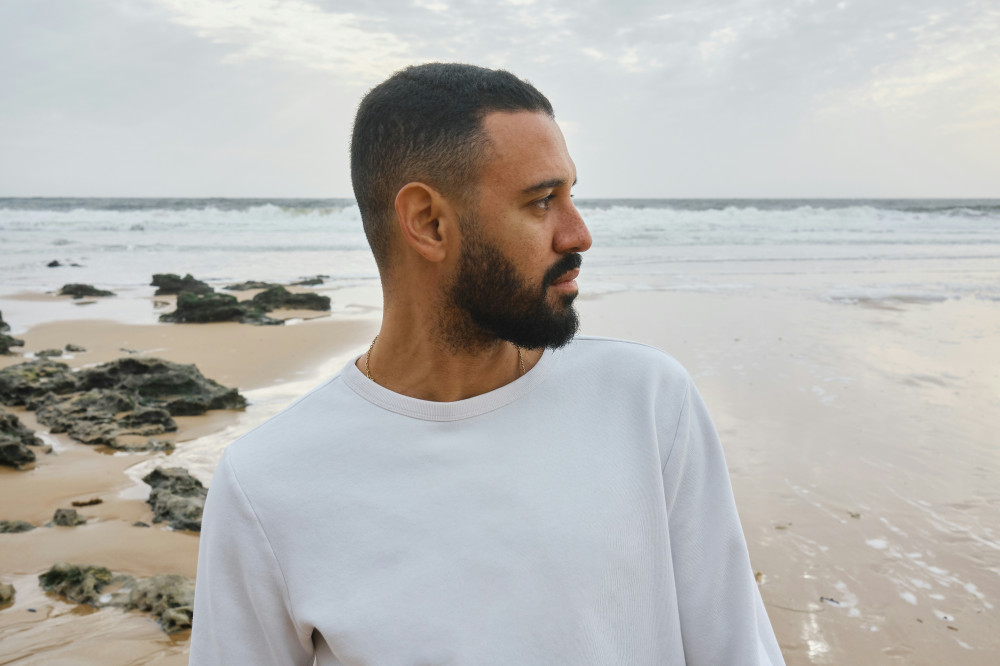
Modern active style starts with comfort. That doesn’t mean sweatpants and hoodies, but rather fabrics and cuts that allow freedom of movement. Think stretch chinos, soft cotton-blend shirts, and lightweight jackets with a touch of elastane. They feel easy to wear but still look sharp.
Choose clothes that follow your body’s shape without feeling tight. The goal is a relaxed yet intentional look. A good rule of thumb: you should be able to bike, reach for your coffee, or take a long walk without thinking about what you’re wearing.
Taking Inspiration from Sports—Without the Logos
While athletic wear has influenced much of today’s fashion, active style is about borrowing the ideas, not the uniform. That means embracing functional details—like zip pockets, breathable fabrics, and technical fibers—without sacrificing a refined appearance.
Minimalist sneakers, for example, can work perfectly with jeans or chinos as long as they’re clean and simple. Pair them with a lightweight overshirt or an unlined jacket in cotton or nylon for a sporty touch that still feels composed.
Layering for Flexibility
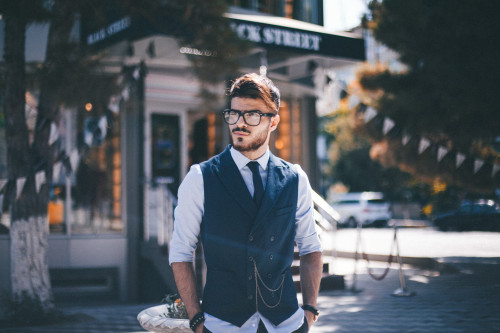
An active lifestyle calls for clothes that adapt. That’s why layering is key. Start with a base T-shirt or a thin merino sweater, add a shirt or light knit, and finish with a jacket that can handle a breeze or a bit of rain.
This approach lets you adjust to temperature and activity while creating a dynamic look. Swapping a blazer for an overshirt, for instance, can make your outfit more casual but still well-dressed.
Colors and Materials That Work Together
Active style works best when colors are understated and materials complement each other. Neutral tones like navy, gray, olive, and beige create a calm foundation you can build on with subtle contrasts—maybe a rust-colored sweater or a sand-toned jacket.
Mix natural and technical fabrics—cotton, wool, and performance blends—to get both comfort and function. Avoid overly shiny or slick materials if you want to keep the relaxed vibe.
Læs også:
Details That Make the Difference
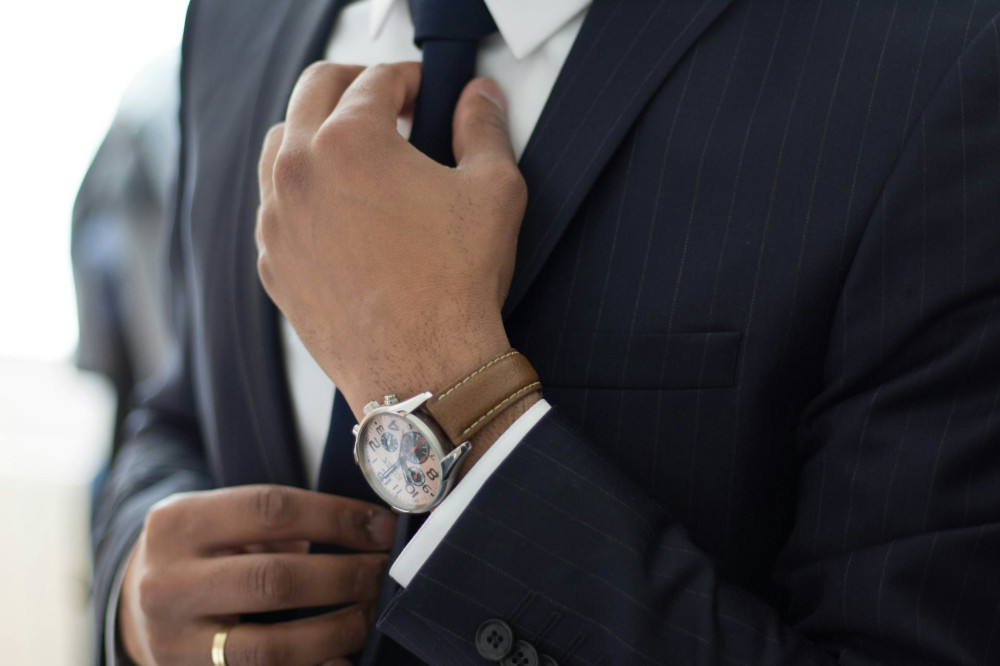
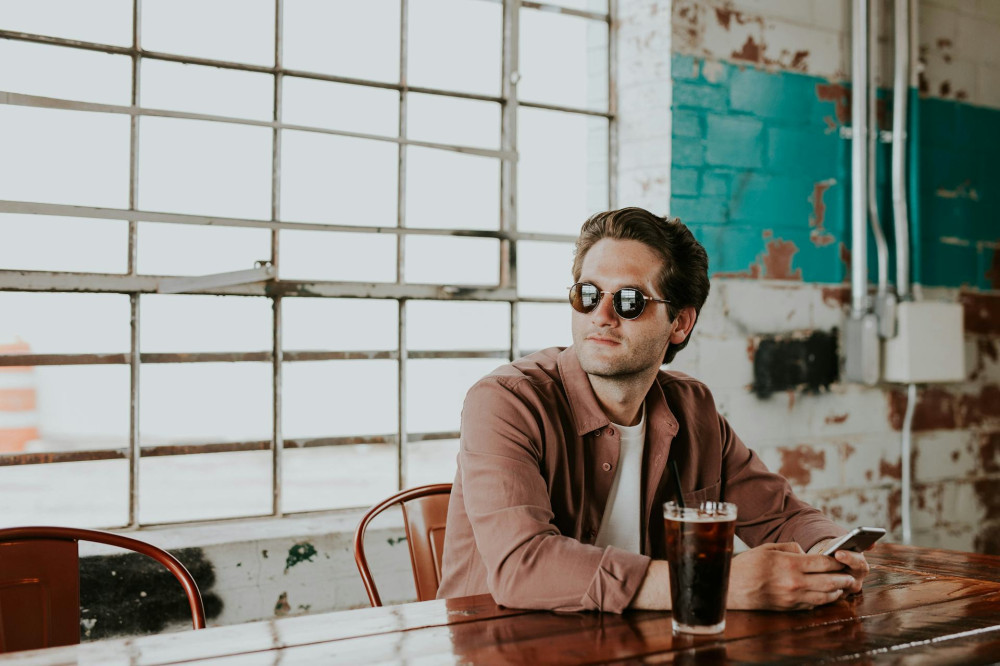
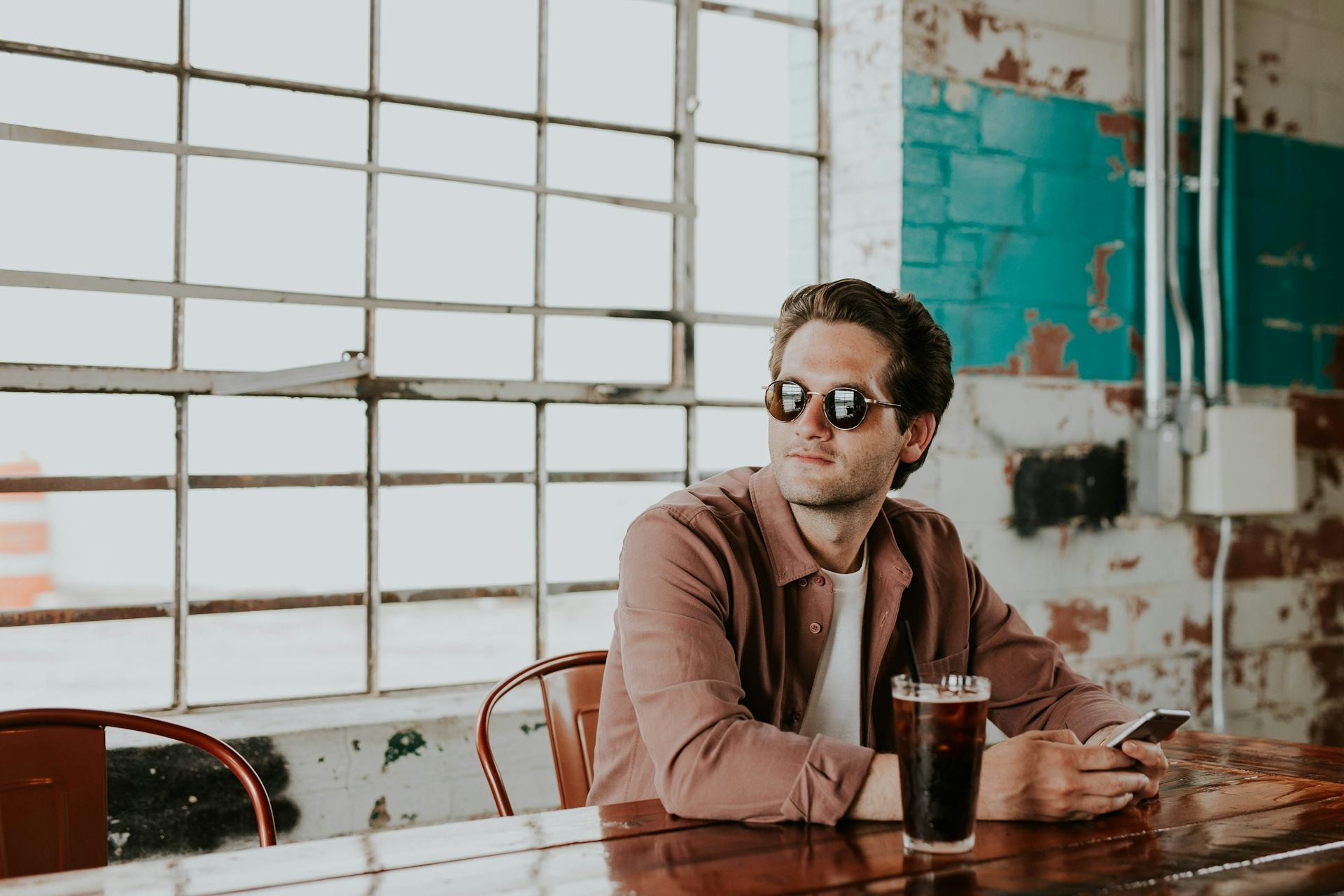
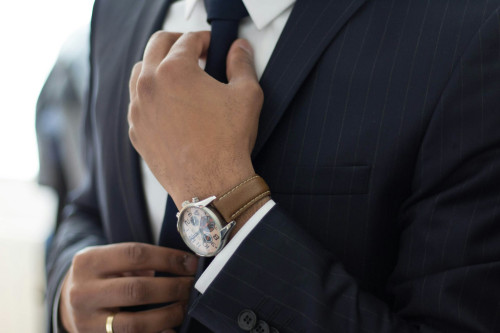
Small choices can change the whole impression. A leather watch strap, a simple canvas backpack, or a pair of classic sunglasses can elevate your look without feeling forced. Accessories should support the active yet composed aesthetic.
Fit also matters. A jacket that sits well on the shoulders or pants with the right length can make a big difference. Active style should look effortless—but that takes clothes that fit properly.
A Style That Fits Everyday Life
Active style without sportswear reflects how many people live today: always on the move, but with an eye for design. It’s clothing you can wear to work, on weekends, or while traveling—without switching between “dressy” and “practical.”
When you find the balance between function and form, you build a wardrobe that feels right and looks right. It’s not about dressing like an athlete—it’s about dressing for a life in motion, with style.
Læs også: