Balance in Life: How to Find Harmony Between Work, Leisure, and Personal Growth


Balance in Life: How to Find Harmony Between Work, Leisure, and Personal Growth
In a culture that often celebrates busyness and productivity, finding balance can feel like an impossible task. Between demanding jobs, family responsibilities, and the constant pull of technology, many Americans find themselves stretched thin. Yet true fulfillment rarely comes from doing more—it comes from doing what matters most. Finding harmony between work, leisure, and personal growth isn’t about perfection; it’s about creating a rhythm that supports your well-being and aligns with your values.
The Role of Work – Staying Engaged Without Burning Out
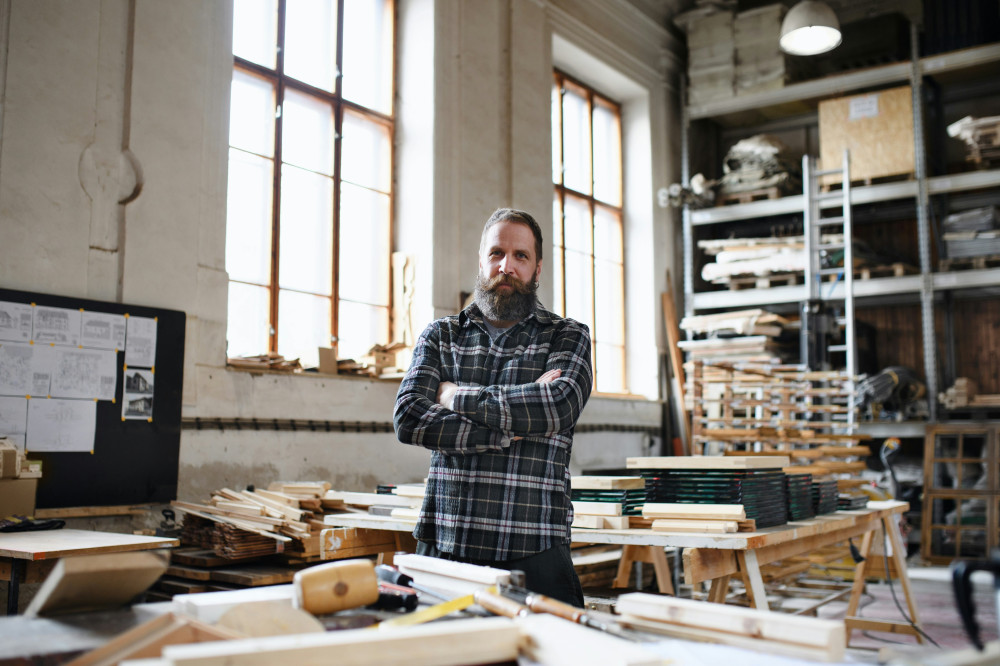
Work plays a central role in most people’s lives. It provides purpose, structure, and financial stability. But when work begins to consume every waking hour—when emails follow you into the evening and weekends disappear into deadlines—it’s a sign that balance has slipped away.
Start by defining what “enough” looks like. The American work ethic often glorifies long hours, but research shows that productivity and creativity thrive when we rest. Try setting clear boundaries:
- End your workday with a short ritual, like a walk or a few minutes of reflection.
- Turn off notifications after hours.
- Take real breaks during the day—your brain performs better when it has time to recharge.
Remember, being fully present at work is easier when you also allow yourself to be fully present outside of it.
Leisure as a Source of Energy
Leisure isn’t just about relaxation—it’s about renewal. It’s the time when you reconnect with yourself and others, explore interests, and experience joy. In a society that prizes efficiency, it’s easy to treat free time as another task to optimize. But true leisure is unstructured and restorative.
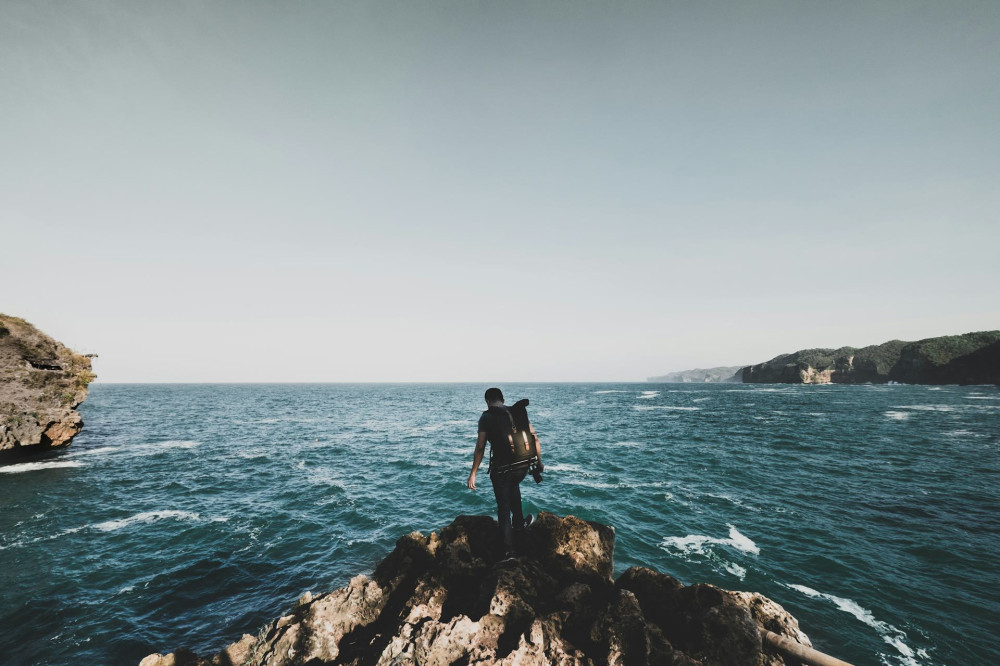
Ask yourself what activities make you feel alive. For some, it’s hiking or yoga; for others, it’s cooking, reading, or spending time with loved ones. The key is to make space for moments that bring you genuine pleasure, not just distraction. A weekend without plans, a spontaneous road trip, or an evening spent laughing with friends can do more for your well-being than any productivity hack.
Personal Growth – Without the Pressure
Personal growth has become a buzzword in recent years, often tied to self-improvement trends and endless goal-setting. While learning and evolving are essential parts of life, growth doesn’t have to mean constant striving. Sometimes, it’s about slowing down and appreciating how far you’ve already come.
Consider what growth means to you personally. It might be learning a new skill, but it could also be developing patience, setting boundaries, or finding peace in simplicity. Reflect on questions like:
- What truly gives my life meaning?
- Where do I want to invest my time and energy?
- What can I let go of to make room for what matters?
Growth is most powerful when it’s guided by self-awareness, not external pressure.
Creating Balance Through Intentional Choices
Balance doesn’t happen by accident—it’s the result of conscious decisions. It may mean saying no to extra projects, scheduling time for exercise, or prioritizing sleep over screen time. Look at your week as a whole: how much time goes to work, relationships, and yourself? If one area dominates, make small adjustments. Sustainable balance comes from gradual, consistent change rather than drastic overhauls.
Practical steps can help:
- Plan downtime as intentionally as you plan meetings.
- Communicate boundaries clearly with colleagues and family.
- Revisit your priorities regularly—what worked last year may not fit your life today.
When Balance Slips – and How to Regain It
Even with the best intentions, balance will sometimes tip. Life is unpredictable, and certain seasons demand more from us than others. The key is to notice when you’re off-center and take small steps to realign.
Pay attention to signs like fatigue, irritability, or loss of motivation—they’re often your body’s way of asking for rest. Talk about it with someone you trust, whether it’s a friend, partner, or counselor. Adjusting your pace isn’t a failure; it’s a form of self-respect.
Balance is not a fixed state but an ongoing process. Some periods will focus more on career, others on family or personal renewal. The goal is to stay aware and flexible as your needs evolve.
Læs også:


A Life in Harmony
When work, leisure, and personal growth complement rather than compete with each other, life feels more grounded and meaningful. You become more present—in your work, your relationships, and your own mind.
Ultimately, balance isn’t about dividing time perfectly. It’s about living in alignment with what truly matters to you—and allowing yourself the grace to adjust as life changes.
Læs også: