DIY as Therapy: Build, Create, and Find Peace

DIY as Therapy: Build, Create, and Find Peace
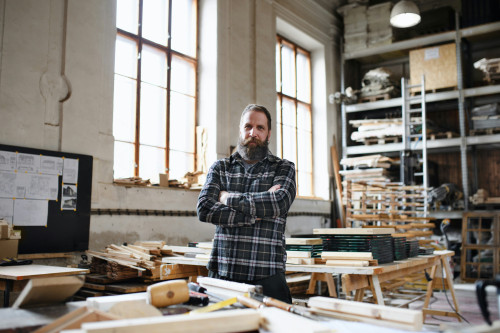
In a world that moves faster every day—filled with screens, notifications, and endless to-do lists—many Americans are searching for ways to slow down and reconnect with themselves. For some, that means yoga or journaling. For others, it’s found in the hum of a power drill, the rhythm of a paintbrush, or the quiet satisfaction of fixing something with their own hands. DIY projects aren’t just about saving money or improving your home; they can also be a powerful form of therapy, offering focus, calm, and a sense of accomplishment.
When Your Hands Work, Your Mind Rests
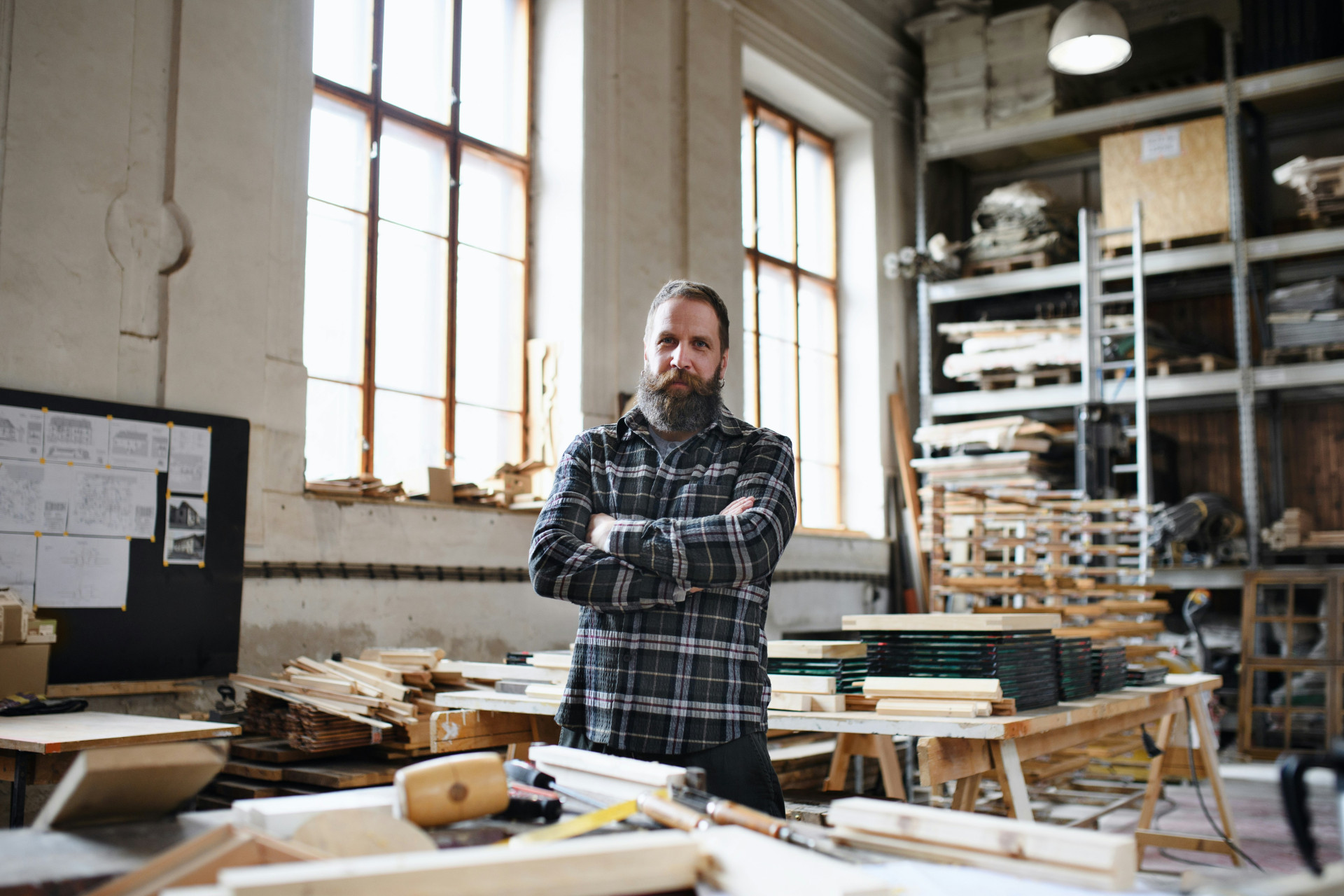
There’s something deeply human about creating something tangible. When you measure, cut, sand, or stitch, your mind and body work together in a way that demands presence. The noise of daily life fades, replaced by the steady rhythm of your task.
Research has shown that repetitive, hands-on activities can calm the nervous system—much like meditation in motion. It’s not about perfection; it’s about process. Feeling the texture of wood, watching paint dry into color, or seeing a project take shape under your hands can bring a sense of control and meaning that’s often missing in our digital routines.
Læs også:


Small Projects, Big Impact
You don’t need to remodel your entire kitchen to experience the therapeutic benefits of DIY. Even small projects can bring joy and peace. The key is to choose something that interests you and matches your skill level.
- Build a planter box – a simple weekend project that lets you enjoy the results all season long.
- Refinish a piece of furniture – sanding, staining, and sealing can be surprisingly meditative.
- Repair instead of replace – giving new life to something old is both sustainable and satisfying.
- Create wall art or home décor – express yourself with color, texture, and design while personalizing your space.
The goal isn’t to impress anyone—it’s to create something that makes you feel good.
DIY as a Mental Reset
Many people find that working on a project provides a mental break from stress and anxiety. When you focus on a concrete task, your brain gets a rest from constant thinking and worrying. It’s similar to taking a walk in nature or going for a run—you’re active, but your mind gets to breathe.
For some, DIY becomes a regular ritual: an hour in the garage after work, a Saturday morning spent painting, or a long-term project that evolves over months. What matters most is that it feels like a refuge, not another obligation.
Community and Connection
DIY doesn’t have to be a solo activity. Across the U.S., community workshops, maker spaces, and online groups bring people together to share tools, ideas, and encouragement. Learning new skills and mastering techniques can boost confidence and foster a sense of growth. And connecting with others who share your interests can be just as healing as the work itself.
Create with Intention—Not Pressure
While DIY can be therapeutic, it’s important not to let it become another source of stress. You don’t have to do everything yourself or aim for perfection. Allow yourself to make mistakes, take breaks, and enjoy the process. Often, the beauty lies in the imperfections—the brushstroke that went a little off, the uneven edge that gives character.
If you find yourself absorbed in a project in a way that brings energy and calm, you’re on the right track. That’s when DIY becomes more than a hobby—it becomes a way to find balance in a busy life.
A New Kind of Therapy
At its core, DIY as therapy is about connection—between hands and mind, thought and action. It reminds us that peace doesn’t always come from stillness; sometimes, it’s found in motion, in creation, in the simple act of making something real.
So next time you feel overwhelmed or restless, pick up a tool, a brush, or a needle. Start small. Build something. Create something. You might just find that the peace you’ve been looking for is right there—in the sawdust, the paint, and the quiet satisfaction of making something with your own two hands.
Læs også: