Calm as Healing: Finding Self-Compassion in the Pause


Calm as Healing: Finding Self-Compassion in the Pause
In a culture that prizes productivity and constant motion, stillness can feel almost rebellious. We measure our worth by what we accomplish, how much we produce, and how quickly we respond. Yet calm is not the absence of doing—it’s the presence of awareness. When we pause, we open a door to something deeper: the chance to meet ourselves with kindness. Finding self-compassion in the pause isn’t weakness; it’s a path toward healing.
When Stillness Feels Uncomfortable
For many of us, silence can be unsettling. When the noise fades, our thoughts grow louder. Feelings we’ve pushed aside—grief, fatigue, self-doubt—begin to surface. It’s tempting to distract ourselves, to fill the quiet with screens or tasks. But healing often begins when we stay, even for a moment, with what is.
Sitting still takes courage. It’s an act of acceptance, a recognition that not every pain can be solved through action. Sometimes the most healing thing we can do is to allow ourselves to feel—to breathe, to soften, to simply be.
Læs også:


Self-Compassion, Not Self-Pity
Self-compassion isn’t about feeling sorry for ourselves. It’s about treating ourselves with the same warmth and understanding we’d offer a close friend. It means acknowledging our struggles without judgment, recognizing that being human includes imperfection.
When we learn to speak to ourselves with gentleness instead of criticism, something shifts. We realize we don’t have to earn our own care. The inner voice that once scolded can become a source of support. In that shift, healing begins.
The Pause as a Healing Space
Calm can take many forms. For some, it’s a quiet walk without headphones. For others, a few deep breaths before opening the laptop. The goal isn’t to achieve a particular state but to create a space where you can meet yourself as you are.
Notice how your body responds when you allow it to rest. Maybe your shoulders drop, or your breath deepens. These small changes are signs that your nervous system is settling, that your body is remembering what safety feels like. In that space, healing can unfold naturally.
When Calm Brings Up Grief
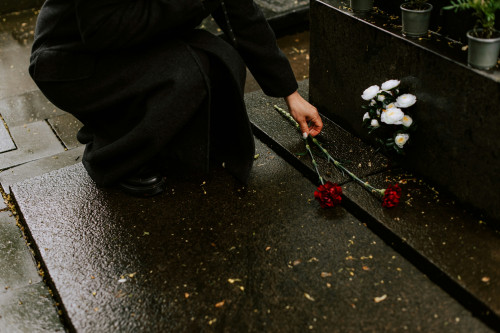
Stillness can also stir up sorrow—grief for what’s been lost, for words left unsaid, for roles we’ve carried too long. It can be painful, but it’s also part of the healing process. Grief isn’t something to fix; it’s something to honor.
Allowing grief to surface in the quiet is a way of acknowledging what mattered. It might be a relationship, a dream, or a version of yourself you’ve outgrown. Letting yourself feel that loss is a way of saying: I have loved, and I am still here.
Small Steps Toward Inner Calm
Self-compassion and calm rarely appear on their own—they’re practices we cultivate. Here are a few gentle ways to begin:
- Start your day slowly. Take a few deep breaths before checking your phone or email.
- Listen to your body. Ask what it needs right now—rest, movement, nourishment, or stillness.
- Write it down. Putting thoughts on paper can make them easier to understand and release.
- Allow pauses. You don’t have to fill every moment. The empty spaces can become places of renewal.
The goal isn’t a perfectly balanced life, but a life with room to breathe—moments where you can return to yourself.
Calm as a Way of Being
As we learn to find calm within, our way of being in the world changes. We react less and listen more. We become more patient—with ourselves and with others. Calm stops being a destination and becomes a way of living—a quiet strength that carries us through life’s shifts.
To find self-compassion in the pause is to remember that you are already enough. You don’t have to do more to deserve peace. You only have to give yourself permission to feel it.
Læs også: