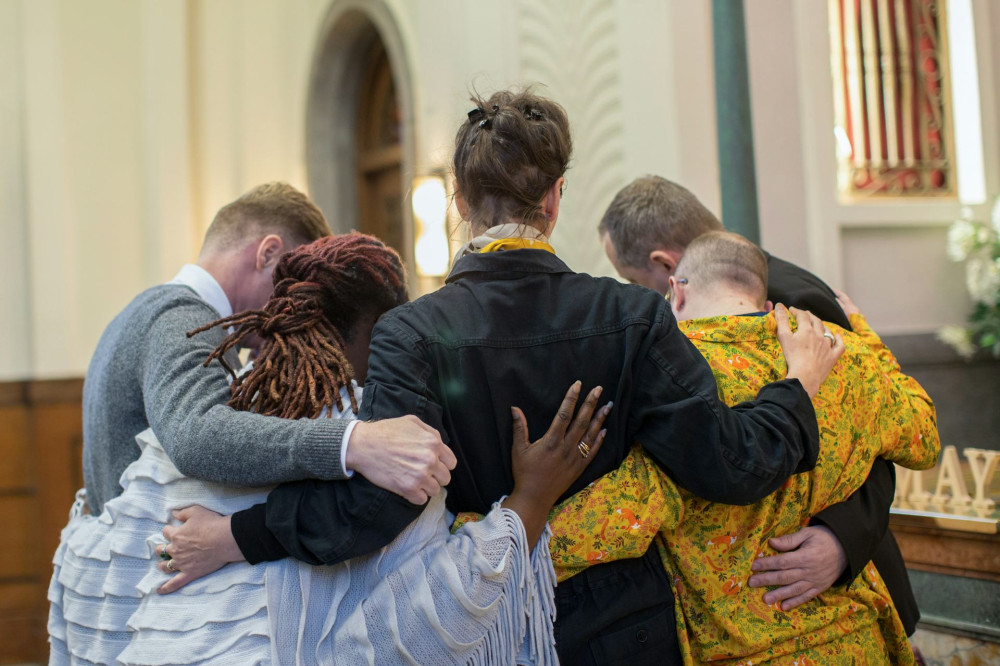
When the Body Responds to Grief – Learn to Listen to a Man’s Signals


When the Body Responds to Grief – Learn to Listen to a Man’s Signals
Grief doesn’t live only in the mind—it settles in the body too. For many men, recognizing or talking about the physical and emotional reactions that follow loss can be difficult. Instead of expressing their pain, they often try to keep moving, stay productive, and “hold it together.” But the body listens—and it responds when emotions become too heavy to carry alone.
This article explores how grief can show up physically in men and how to recognize and respond to the body’s signals.
When the Body Speaks Before Words Do
From an early age, many men in American culture are taught to be strong, composed, and self-reliant. These expectations can make it hard to allow grief its natural expressions—crying, fatigue, restlessness, or the need for comfort. When emotions are suppressed, the body often steps in to express what words cannot.
Common physical reactions to grief include:
- Sleep problems – difficulty falling asleep or waking up frequently during the night.
- Muscle tension and pain – especially in the neck, shoulders, and chest.
- Heart palpitations or chest tightness – the body’s stress response to emotional overload.
- Changes in appetite – some lose interest in food, while others eat more than usual.
- Fatigue and trouble concentrating – the brain is working hard to process the loss.
These symptoms are not signs of weakness. They are the body’s way of signaling that something needs attention.
Læs også:



The Quiet Grief – When a Man Withdraws
Many men cope with grief by turning inward. They may struggle to find words for what they feel and instead focus on tasks, work, or responsibilities. This can create a temporary sense of control, but over time, unacknowledged grief can manifest as ongoing tension, irritability, or physical strain.
Withdrawal can also make it harder for others to see how deeply the loss has affected them. That’s why it’s important for both men and their loved ones to recognize subtle signs—such as restlessness, loss of motivation, sudden anger, or emotional numbness. These are often grief’s language in disguise.
Listening to the Signals – and Giving the Body Rest
When the body reacts, it’s asking for care and pause. For many men, slowing down feels uncomfortable or even wrong, but allowing space for rest and reflection is essential for healing.
Here are some ways to support both body and mind:
- Slow the pace. Give yourself permission to have days when you don’t perform or produce.
- Move your body. Exercise can help release tension and calm the nervous system.
- Keep a routine. Regular sleep and meals help the body regain stability when life feels uncertain.
- Talk to someone. Whether it’s a friend, family member, or therapist, sharing your grief lightens its weight.
- Allow the emotions. Tears, silence, or solitude are natural responses—not problems to fix.
When Grief Becomes Too Heavy
For most people, physical symptoms gradually ease as grief is processed. But if the body continues to react—if sleep doesn’t return, energy remains low, or pain intensifies—it may be a sign that grief has become stuck.
In these cases, professional support can make a difference. A counselor, therapist, or grief support group can offer tools to understand and manage the body’s responses. The goal isn’t to “move on” quickly, but to find a way to live with the loss without the body carrying the full burden.
Finding Strength in Vulnerability
Listening to the body’s signals takes courage. It means allowing yourself to feel what hurts and accepting that grief cannot be controlled or rushed. For many men, this can be a new experience—but also a path toward deeper self-understanding and resilience.
Grief is not a sign of weakness. It’s love with nowhere to go. When you learn to listen to your body and give your sorrow space, the pain doesn’t disappear—but it becomes easier to bear.
Læs også: