Movement as Support: Finding Strength in Grief Through Mindful Exercise


Movement as Support: Finding Strength in Grief Through Mindful Exercise
When loss strikes, the world can feel heavy and unfamiliar. Grief doesn’t live only in the mind—it settles into the body too. Muscles tighten, sleep becomes elusive, and even simple routines can feel impossible. In these moments, movement can become a quiet but powerful companion. Not as a way to escape grief, but as a way to stay present with it—using the body as an anchor when everything else feels adrift.
The Body Remembers—and Can Help the Mind Heal
Grief is a full-body experience. When we lose someone, our nervous system reacts as if we’re under threat. Shoulders hunch, breathing shortens, and energy fluctuates wildly. Gentle, intentional movement—whether it’s walking, yoga, stretching, or lifting weights—can help the body find balance again.
Exercise releases endorphins and reduces stress hormones, but perhaps more importantly, it restores connection. Feeling your feet on the ground or your heart beating reminds you that you are still here. That awareness can be the first step toward rediscovering strength in the midst of pain.
Small Steps, Real Shifts
In grief, even small actions can feel monumental. The goal isn’t performance—it’s presence. A short walk around the block, a few minutes of stretching in the morning, or a slow bike ride can all make a difference.
- Start gently. Listen to your body and choose movement that feels kind, not demanding.
- Create routine. A regular time for movement can bring structure to chaotic days.
- Stay mindful. Notice your breath, the sounds around you, and the rhythm of your body.
- Allow rest. Some days, simply breathing deeply and acknowledging your body’s existence is enough.
Movement in grief isn’t about moving on—it’s about staying in motion, even when everything inside feels still.
Exercise as a Space for Emotion
For many, movement becomes a safe space where emotions can flow freely. Tears, anger, and longing can surface without words. As the body works, tension releases, and feelings begin to move too. It can be a relief to realize that grief isn’t only heavy—it can also find expression through motion.
Some people find solace in running, where the steady rhythm of footsteps brings calm. Others turn to strength training, feeling empowerment in lifting something tangible when life itself feels unmanageable. There’s no single right way. What matters is that movement feels supportive, not forced.
Connection Through Movement
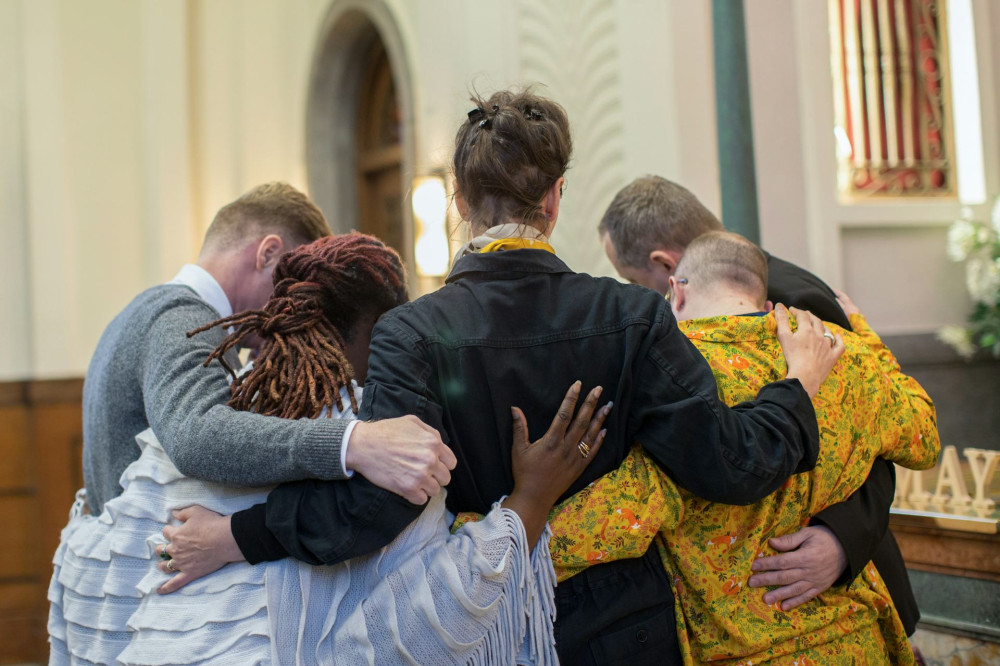
Grief often feels isolating, but movement can create connection. Joining a class, walking with a friend, or simply sharing quiet space with others can ease loneliness. You don’t have to talk about your loss—the act of moving together can be healing in itself.
Across the U.S., more grief support groups are incorporating mindful movement—such as yoga for grief, walking groups, or community runs dedicated to remembrance. These spaces offer both silence and companionship, helping people breathe a little easier, both physically and emotionally.
Læs også:



Finding Strength in the Fragile
Grief doesn’t disappear, but it changes shape. Through movement, you may begin to feel that your body can carry you again—that strength isn’t just about muscles, but about courage. The courage to keep moving, even when it hurts.
Finding strength in grief isn’t about overcoming it. It’s about living with it. Each step, each breath, each mindful movement is a reminder that healing doesn’t mean forgetting—it means allowing the body to support the heart, one moment at a time.
Læs også: