Eat Your Way to Steady Energy – How to Keep Up the Pace All Day Long

Eat Your Way to Steady Energy – How to Keep Up the Pace All Day Long
Do you ever hit that mid-afternoon wall? Your eyes get heavy, focus slips, and you start craving coffee or something sweet. That’s your blood sugar taking a dive after a quick spike earlier in the day. The good news is that with a few smart food choices, you can keep your energy steady from morning to night. Here’s how to fuel your body for lasting energy and avoid those classic slumps.
Start Your Day with a Solid Foundation
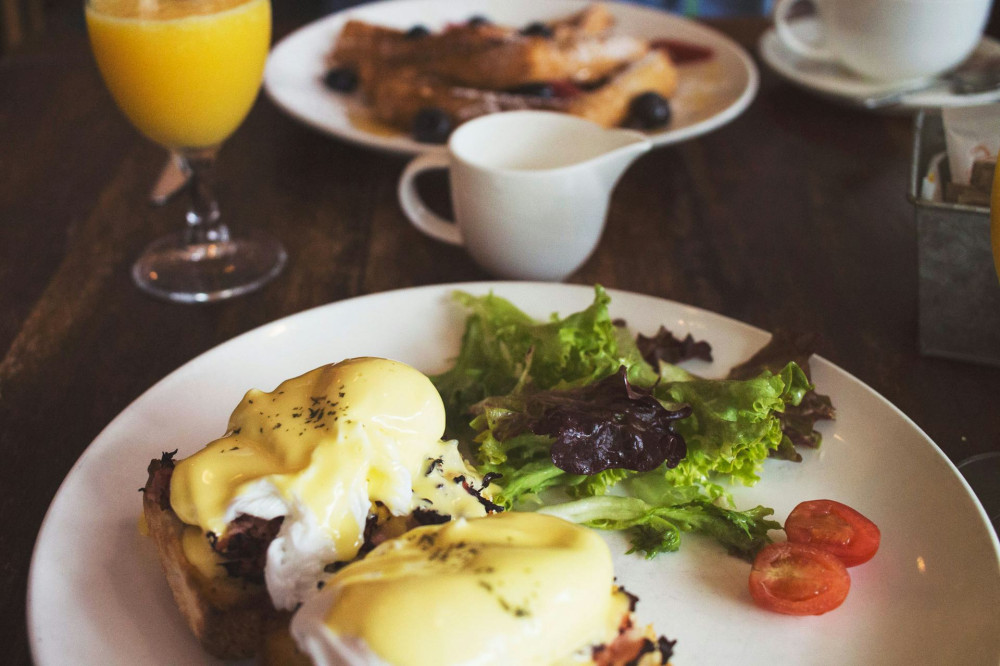
Breakfast sets the tone for your entire day. Skipping it—or grabbing a sugary pastry on the go—might give you a quick boost, but it’s followed by a crash that leaves you sluggish and hungry again.
Instead, aim for a mix of protein, healthy fats, and complex carbohydrates. This combination keeps your blood sugar stable and your energy consistent.
- Great breakfast ideas:
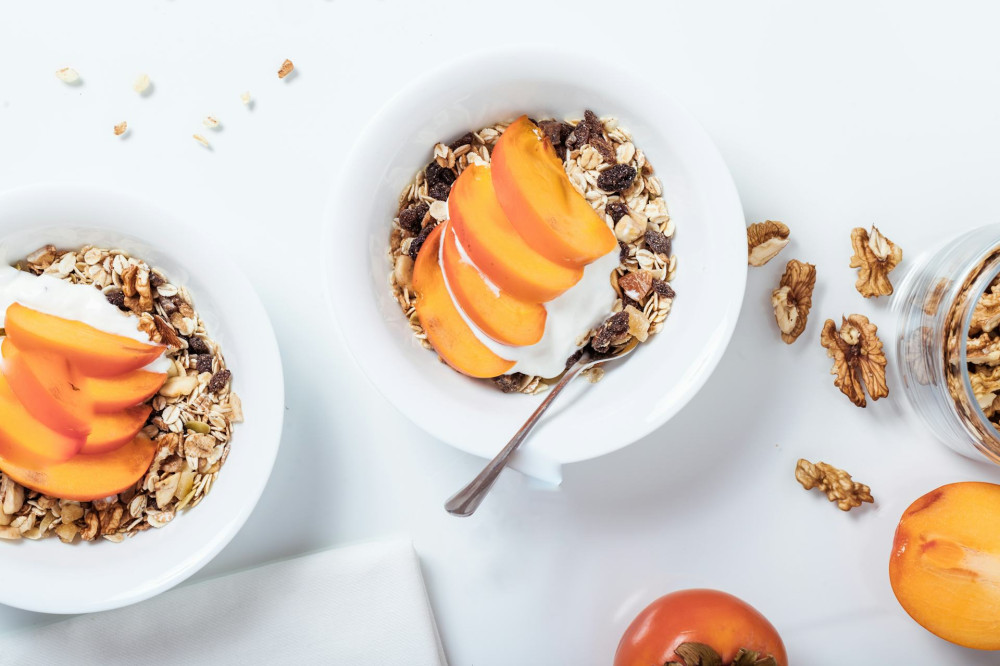
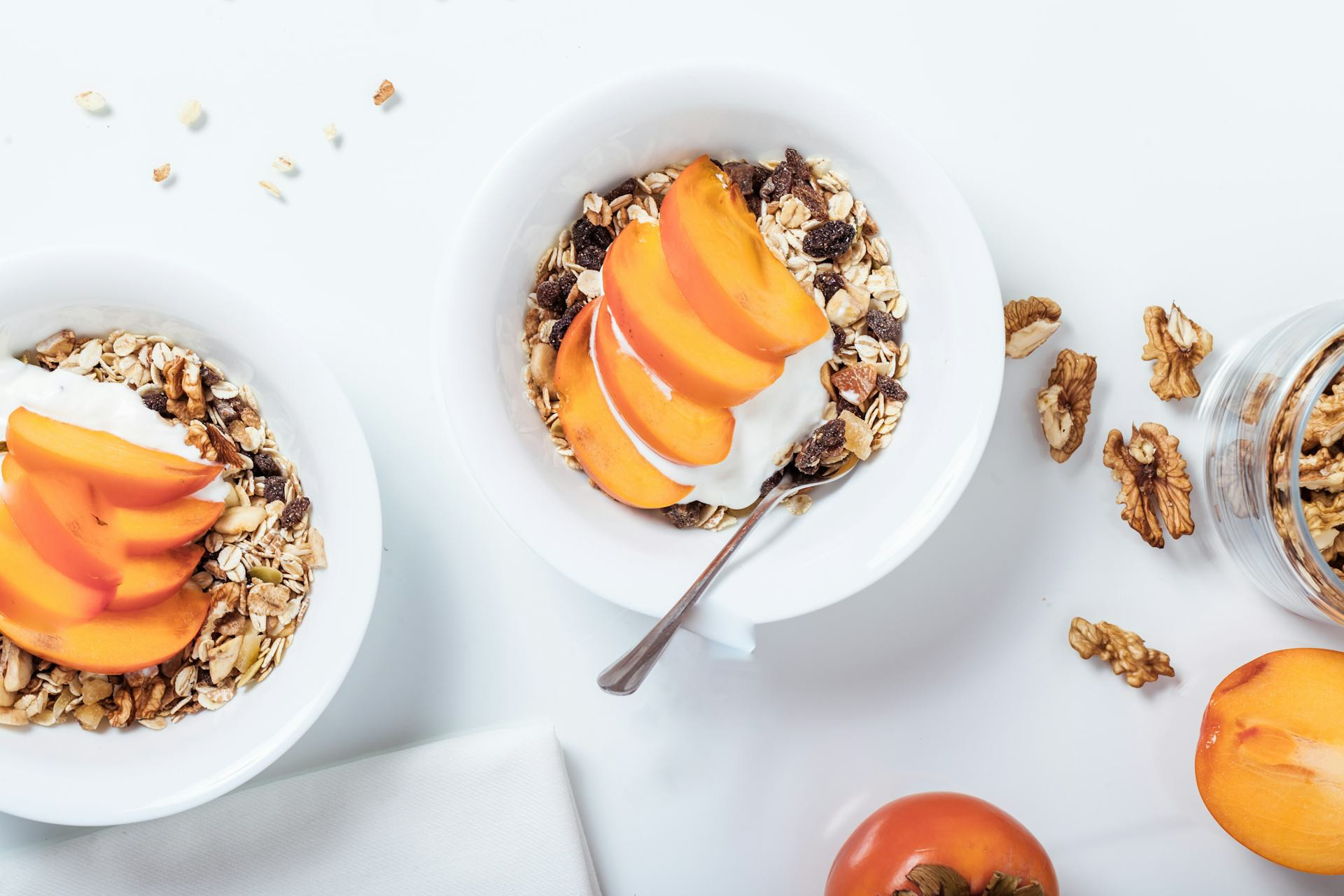
- Oatmeal topped with nuts, berries, and a spoonful of Greek yogurt.
- Scrambled eggs with whole-grain toast and avocado.
- Greek yogurt with seeds, granola, and a bit of fruit.
Water or unsweetened tea is a better choice than juice, which often contains a lot of sugar. And coffee? Enjoy it—but have it with food, not instead of it.
Læs også:

Lunch That Keeps You Going
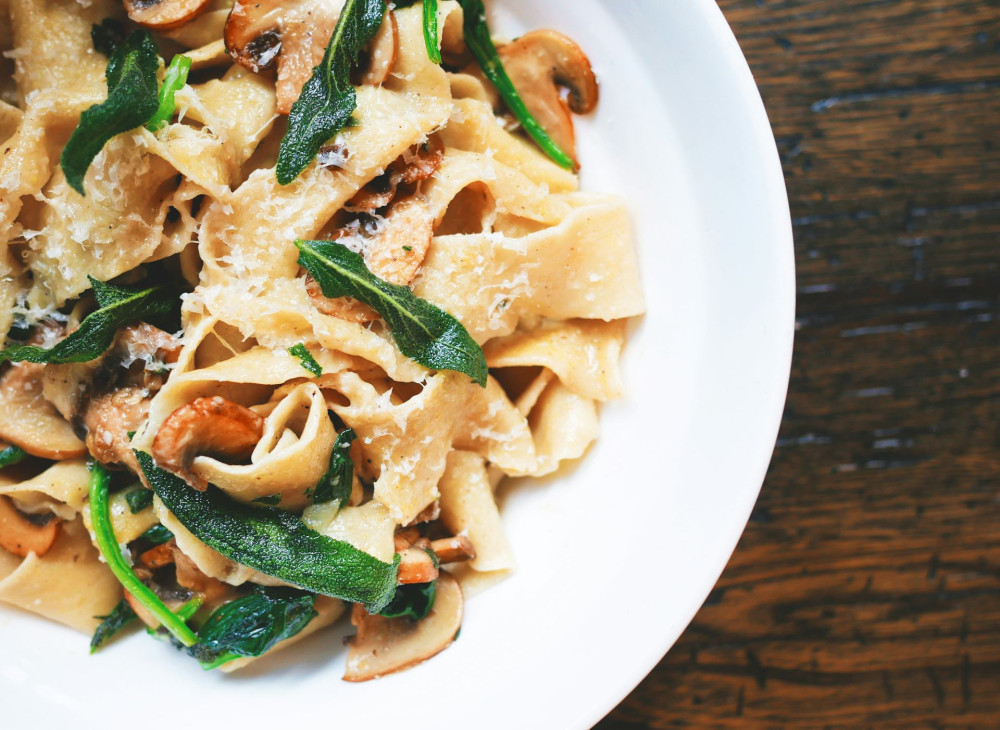
Lunch should refuel you without making you feel heavy or sleepy. Avoid quick fixes like white bread sandwiches, creamy pasta, or fried foods—they cause your blood sugar to spike and then crash.
Go for vegetables, whole grains, and lean proteins. Try a salad with grilled chicken, beans, or eggs, or a whole-grain wrap filled with turkey and veggies. If you’re eating out, look for meals with visible veggies and skip the overly processed options.
Keep a small snack stash—like nuts, fruit, or veggie sticks—in your bag or desk. It’ll help you avoid the vending machine when hunger hits later in the day.
Beat the Afternoon Slump
That 2–4 p.m. window is when many people feel their energy dip. It’s tempting to reach for candy, soda, or an energy drink, but those only give you a short-lived lift followed by another crash.
Plan ahead with a balanced afternoon snack such as:
- A handful of almonds and an apple.
- Whole-grain crackers with cheese.
- A small serving of Greek yogurt with berries.
Sometimes, fatigue is your body’s way of asking for movement, not sugar. Stand up, stretch, or take a quick walk—just a few minutes can help reset your energy.
Dinner That Recharges You
After a long day, your body needs nourishment to recover. Dinner should be satisfying but not too heavy. A simple rule of thumb: fill half your plate with vegetables, one-quarter with protein (like fish, chicken, beans, or eggs), and one-quarter with whole grains or starchy vegetables.
Try not to eat too late, as it can interfere with sleep. If you get hungry later, go for something light—like a small yogurt, a boiled egg, or a piece of fruit.
Stay Hydrated for Better Energy
Dehydration can cause fatigue, headaches, and poor concentration. Many people mistake thirst for hunger. Aim to drink water consistently throughout the day—about 6 to 8 cups, depending on your activity level.
Coffee and tea are fine in moderation, but try to limit caffeine later in the day. Too much caffeine can disrupt your sleep, and poor sleep is one of the biggest energy drainers.
Sleep and Routine – The Hidden Key
Even the best diet can’t make up for too little sleep. Your body needs rest to regulate hormones, blood sugar, and appetite. When you’re sleep-deprived, you’re more likely to crave quick carbs and experience energy swings.
Try to go to bed and wake up at the same time every day, and avoid heavy meals or screens right before bedtime. A consistent sleep routine is the foundation for steady energy.
Small Changes, Big Results
Eating for steady energy isn’t about strict rules—it’s about mindful choices. When you fuel your body with foods that provide lasting energy instead of quick fixes, you’ll notice more focus, better mood, and greater stamina.
Start small—maybe by improving your breakfast—and build from there. It’s the small, consistent changes that make the biggest difference over time.
Læs også: