Pasta with Personality: Give the Classics a Modern Twist with New Flavors and Techniques

Pasta with Personality: Give the Classics a Modern Twist with New Flavors and Techniques
Pasta is one of the world’s most beloved comfort foods—simple, versatile, and endlessly satisfying. But even the most timeless dishes can benefit from a little reinvention. With fresh flavors, modern techniques, and a dash of creativity, you can turn your everyday pasta into something that feels both familiar and exciting. Here’s how to give your pasta dishes personality—without losing what makes them classics.
Start with the Basics—but Think Beyond Them
A great pasta dish begins with quality ingredients. Fresh pasta has a silky texture and rich flavor, but even dried pasta can shine when cooked properly. Always cook it al dente and save a bit of the cooking water—it’s liquid gold when it comes to building a luscious sauce.
Why not experiment with the pasta itself? Try making your own using alternative flours like spelt, chickpea, or whole wheat for a nutty, rustic flavor. You can also add spinach, beet, or squid ink to the dough for color and character. For a quick twist, look for artisanal American-made pastas that use heritage grains or creative shapes—they’re a great way to elevate a weeknight meal.
New Flavor Combinations That Surprise
The classics—carbonara, Bolognese, pesto—are beloved for a reason, but they’re also perfect canvases for innovation. Here are a few ideas to give them a modern American twist:
- Miso Mushroom Carbonara – Miso adds deep umami that pairs beautifully with eggs and Parmesan. Swap bacon for sautéed mushrooms for a vegetarian version that’s rich and satisfying.
- Lentil and Red Wine Bolognese – A hearty, plant-based take on the Italian staple. Lentils provide texture and body, while a splash of red wine and a hint of dark chocolate add depth.
- Kale and Almond Pesto – A vibrant, nutrient-packed alternative to the traditional basil version. The almonds bring a subtle sweetness and crunch.
- Lemon-Chili Shrimp Pasta – Bright, spicy, and light. The combination of citrus, heat, and seafood makes it perfect for summer evenings.
The goal isn’t to reinvent pasta entirely—it’s to make small, thoughtful changes that reflect your own taste and creativity.
Techniques That Elevate Flavor
Technique can make or break a pasta dish. Something as simple as toasting tomato paste for a minute before adding liquid can transform a sauce from flat to full-bodied.
Here are a few techniques that make a big difference:
- Emulsification – Toss the pasta directly in the sauce with a splash of cooking water. The starch helps bind the sauce, creating a creamy, cohesive texture.
- Toasting – Toast nuts, breadcrumbs, or spices before using them as toppings. It adds aroma, crunch, and depth.
- Infused Oils – Let olive oil steep with herbs, citrus zest, or chili flakes for a few hours. Drizzle it over your finished dish for a burst of fresh flavor.
- Slow Cooking or Sous Vide – Perfect for meat or vegetable sauces that need time to develop rich, layered flavors.
These small technical touches can turn a good pasta dish into an unforgettable one.
Make the Presentation Part of the Experience
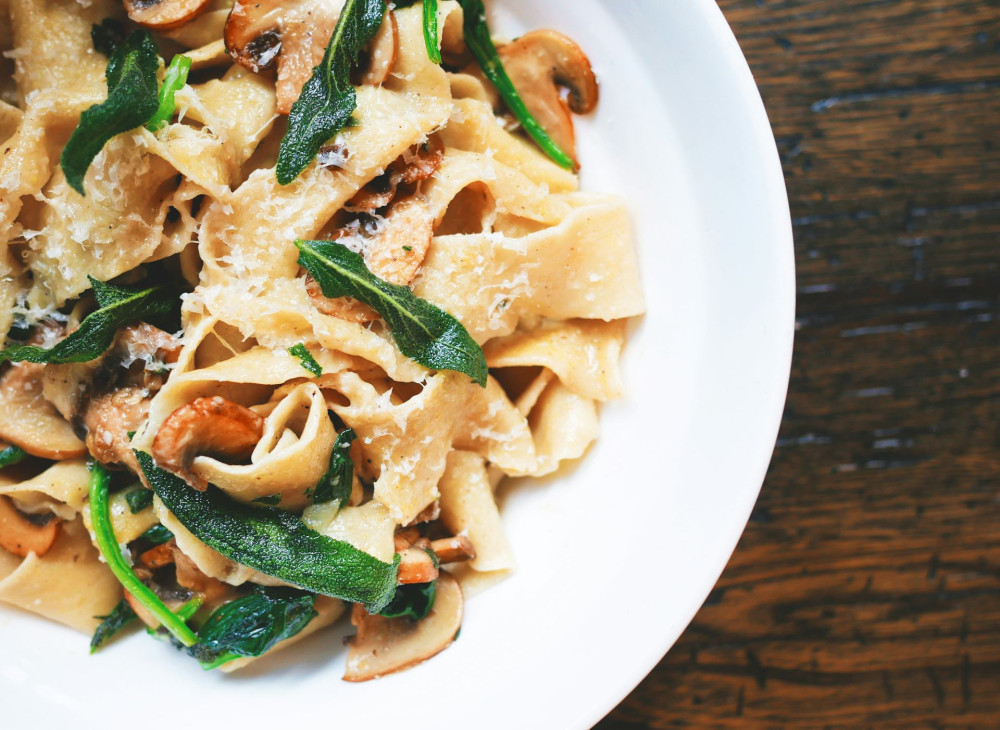
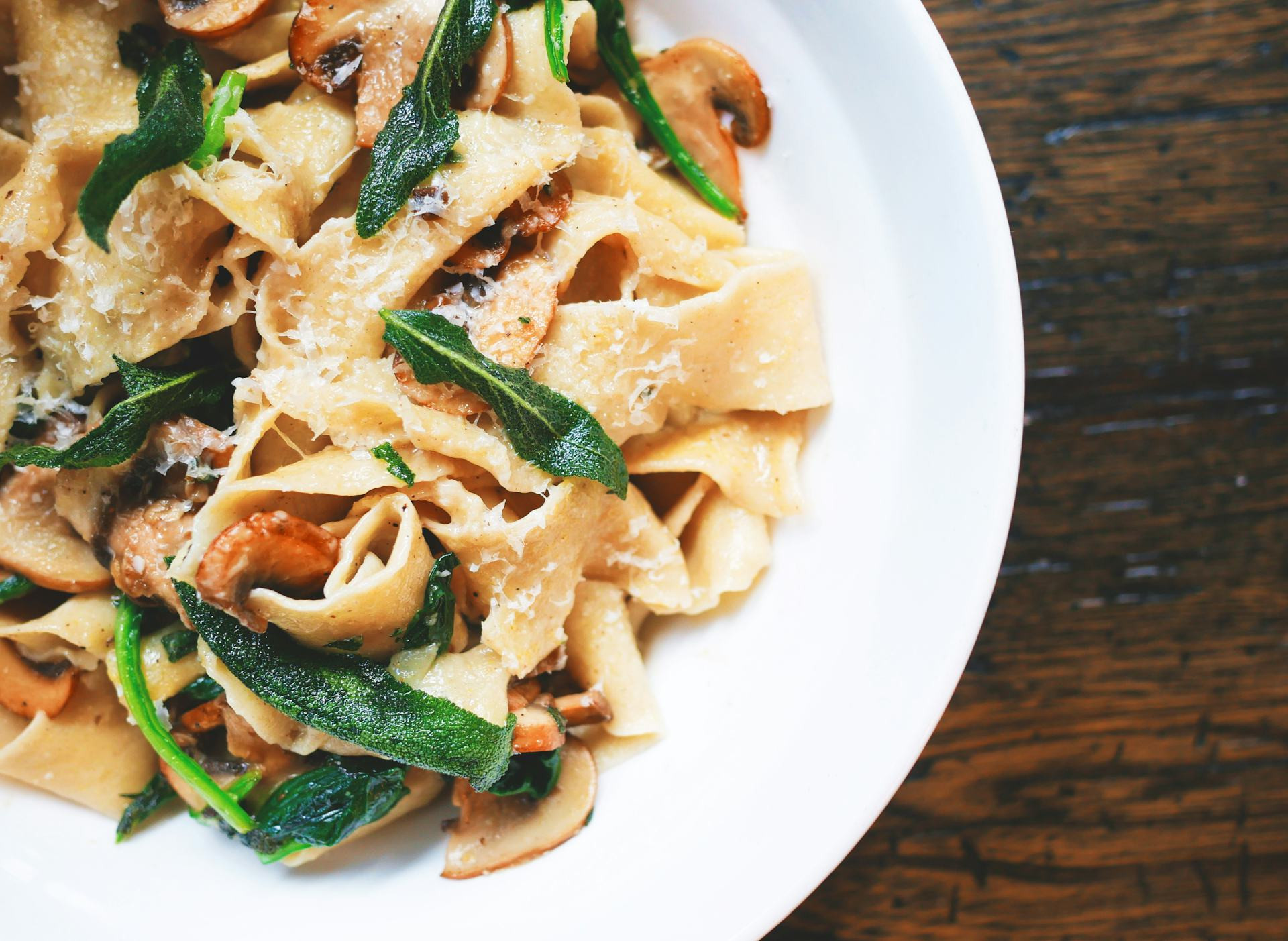
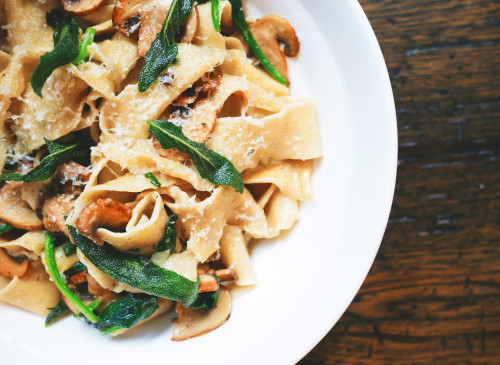
Pasta isn’t just about taste—it’s about atmosphere. Serve it in warm bowls, finish with freshly grated cheese at the table, and garnish with herbs for a touch of color. A drizzle of high-quality olive oil or a sprinkle of lemon zest can add that final note of elegance.
To take it a step further, think in contrasts: crispy breadcrumbs for texture, pickled onions for acidity, or fresh greens for brightness. These details make your dish feel restaurant-worthy, even at home.
Læs også:

Pasta with Personality—Your Signature in the Kitchen
Giving pasta personality isn’t about making it complicated—it’s about being curious and playful. Once you start experimenting with flavors, textures, and techniques, you’ll realize how many possibilities lie in a simple bowl of noodles.
So next time you’re in the kitchen, ask yourself: What can I add that makes this dish uniquely mine? The answer might be a new ingredient, a different cooking method, or just a bold idea—and that’s exactly what makes cooking so rewarding.
Læs også: