Food for Calm: Eat Your Way to Better Sleep

Food for Calm: Eat Your Way to Better Sleep
A restful night’s sleep doesn’t start when you turn off the lights—it begins at the dinner table. What you eat throughout the day affects your body’s chemistry, energy levels, and ability to unwind. Certain foods can actually help you fall asleep faster and sleep more deeply. Here’s how to eat your way to calm and better nights.
Why Your Diet Matters for Sleep
Sleep and nutrition are closely connected. The foods you eat influence the production of hormones like melatonin and serotonin, which regulate your sleep-wake cycle and sense of relaxation. Blood sugar balance also plays a key role—spikes and crashes can make it harder to settle down at night.
A diet that supports steady energy and a calm nervous system can be a simple but powerful way to improve your sleep quality.
Læs også:

Foods That Promote Calm and Rest
Some foods naturally contain nutrients that help your body relax and prepare for rest.
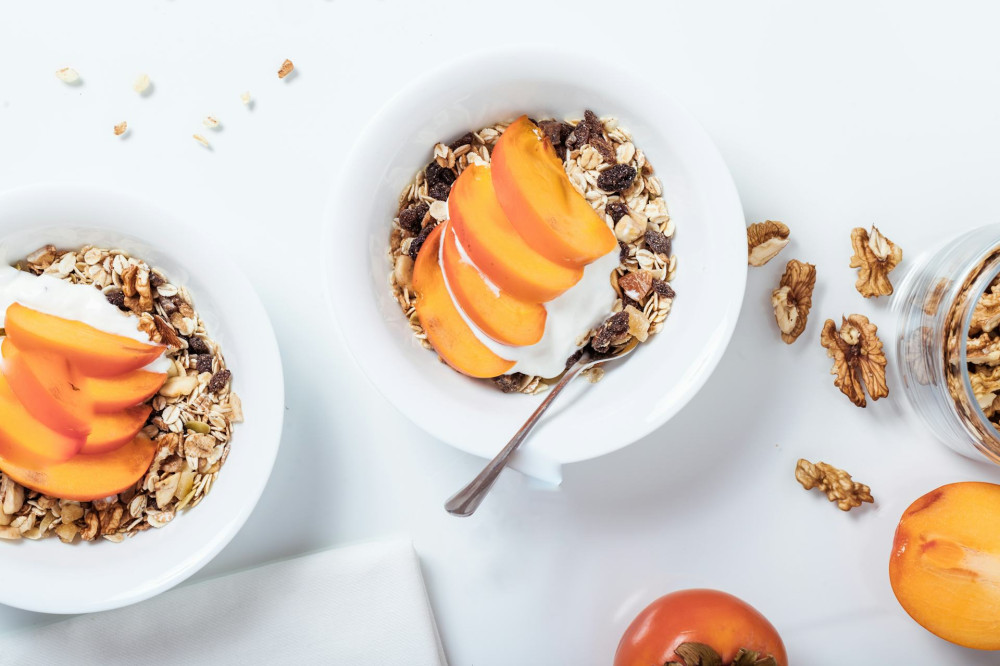
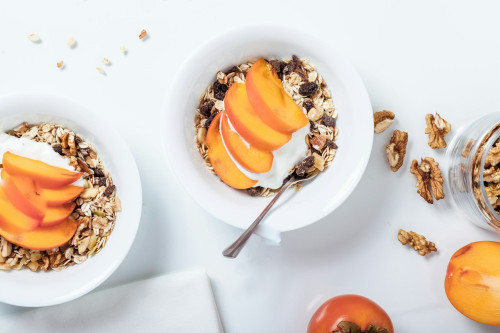
- Oats and whole grains – rich in complex carbohydrates that help your body absorb tryptophan, an amino acid that’s converted into serotonin and melatonin.
- Almonds and walnuts – packed with magnesium and healthy fats that calm the nervous system.
- Bananas – a natural source of potassium and vitamin B6, both of which support the production of sleep hormones.
- Fatty fish like salmon or trout – high in omega-3 fatty acids and vitamin D, which may improve sleep quality.
- Herbal teas – chamomile, lemon balm, and lavender teas have gentle, soothing effects that can help you unwind.
A light evening snack with these ingredients can signal to your body that it’s time to slow down.
What to Avoid Before Bed
Just as important as choosing the right foods is steering clear of those that disrupt sleep. Caffeine is the most obvious culprit—not only in coffee, but also in tea, energy drinks, and chocolate. Alcohol might make you drowsy at first, but it interferes with deep sleep later in the night.
Heavy, greasy meals close to bedtime can also cause restless sleep, as your body works hard to digest them. Try to eat your last meal two to three hours before bed, and keep it light.
Create a Calm Mealtime Routine
It’s not only what you eat, but how you eat that matters. Eating slowly, without screens or distractions, helps your body register fullness and relaxation. Keeping regular meal times supports your body’s natural rhythm.
Make dinner a peaceful ritual—dim the lights, eat mindfully, and enjoy your food. This simple routine tells your body that the day is winding down.
A Sleep-Friendly Evening Menu
A balanced, light dinner can make a big difference for your sleep. Try something like:
- Grilled salmon with roasted vegetables and brown rice – a satisfying mix of protein, healthy fats, and complex carbs.
- A small bowl of oatmeal with banana and almonds as an evening snack – sweet, filling, and rich in sleep-promoting nutrients.
- A cup of warm chamomile tea to finish – a classic way to relax both body and mind.
Beyond Food: A Sleep-Supportive Lifestyle
While diet plays a major role, it’s only part of the picture. Regular exercise, fresh air, and consistent bedtimes are just as important. Avoid screens during the last hour before bed, and create a bedroom environment that invites rest—cool, dark, and quiet.
When you combine healthy sleep habits with a diet that supports your body’s natural rhythm, you set yourself up to wake feeling refreshed and restored.
Eat Your Way to Calm—Every Day
Eating for better sleep isn’t about strict rules—it’s about balance. Small changes, like swapping your evening coffee for herbal tea or adding more whole grains and fish to your meals, can make a real difference.
When you nourish your body with the right foods, you help it find calm. And that calm begins long before your head hits the pillow.
Læs også: